
For twenty-five years, the Polish Tourist Organisation (POT) has been promoting Poland as an appealing destination for travellers.
As part of its work, POT initiates and takes part in numerous projects designed to strengthen the country’s positive image and to showcase its domestic attractions. One of its most important undertakings is the Best Tourism Product Competition, which it has been running since 2003.
The aim of the Competition is to raise the quality and competitiveness of Poland’s tourism offering by encouraging products that not only stand out for their appeal to visitors, but are also innovative, traveller-friendly and offer a wealth of interesting ways to spend one’s leisure time. In assessing the entries, the judges consider, among other things, how accessible each offering is to tourists and the extent to which modern technologies and innovations have been employed in creating and developing it. The certificates awarded by POT serve as both a recommendation and a guarantee of services of the highest standard.
The POT Gold Certificate is the most prestigious of these awards, reserved for the very best tourism products in Poland.
List of recipients of the Polish Tourist Organisation’s Gold Certificate, by year:
2008 – The Silesian Voivodeship Industrial Monuments Route – a one-of-a-kind regional attraction bringing together the most important and interesting sites linked to the industrial heritage of the Silesian Voivodeship. This themed trail currently takes in 40 sites of remarkable variety. The locations along the Route are associated with the traditions of mining, metallurgy, energy, the railways, communications, textiles, water production and the food industry. They include working production plants, open-air museums, and industrial and technical museums, as well as sites still in use today, such as railway stations, housing estates and workers’ settlements.
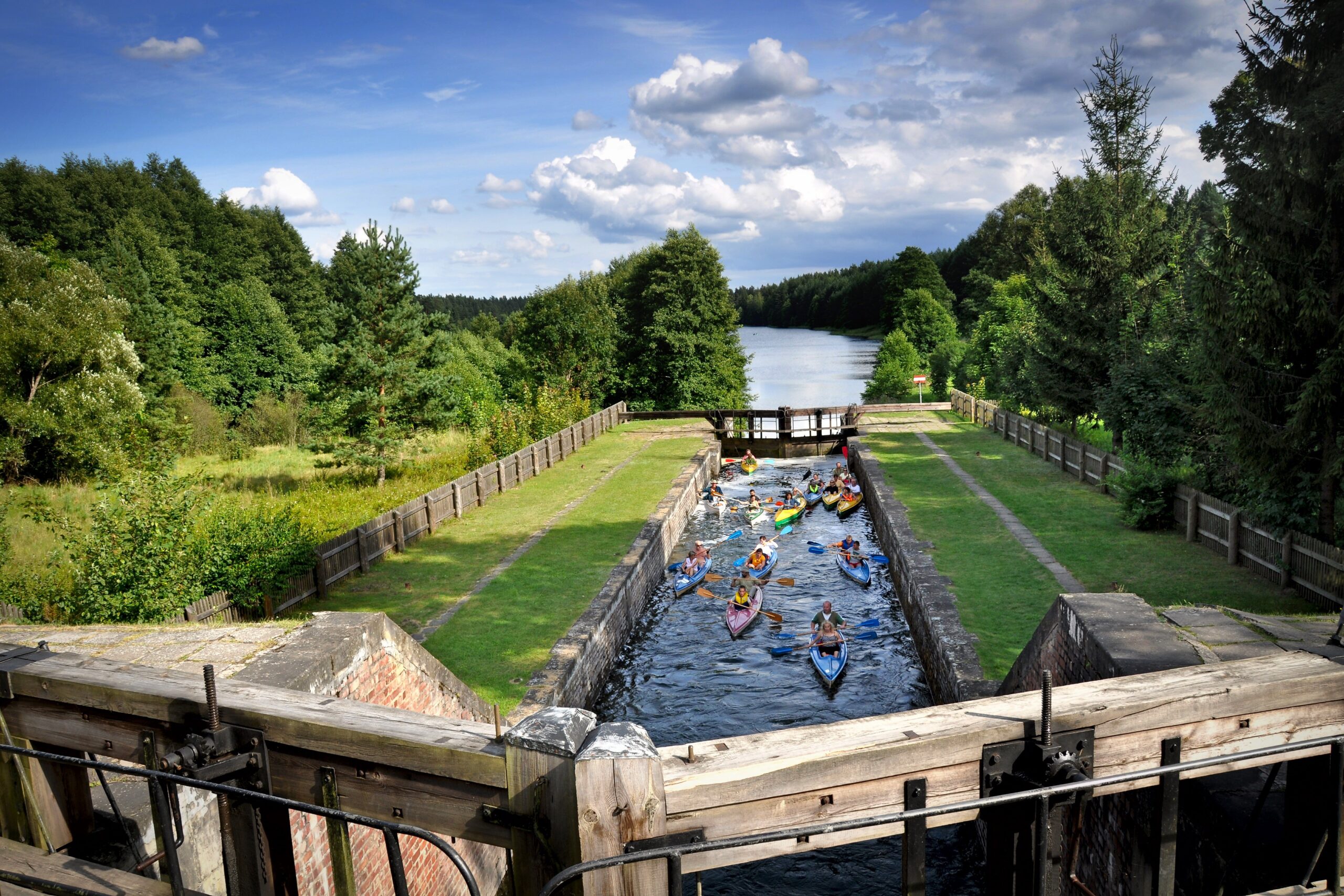
2009 – Augustów Canal – The Pope’s Trail – the ‘Augustów Canal – The Pope’s Trail’ was created to commemorate the visit of His Holiness John Paul II to the Augustów region on 9 June 1999. It follows the route the Pope travelled aboard the Augustów Shipping Company vessel Serwy. The Papal Trail winds through the loveliest parts of the Augustów Primeval Forest, across numerous lakes, along the Czarna Hańcza River and the Augustów Canal. The cruises and boat trips are open to all those seeking rest in the heart of nature and a moment of reflection. The organisers cater for a wide range of visitors, so that organised groups and individual travellers alike can set out along the Papal Trail.
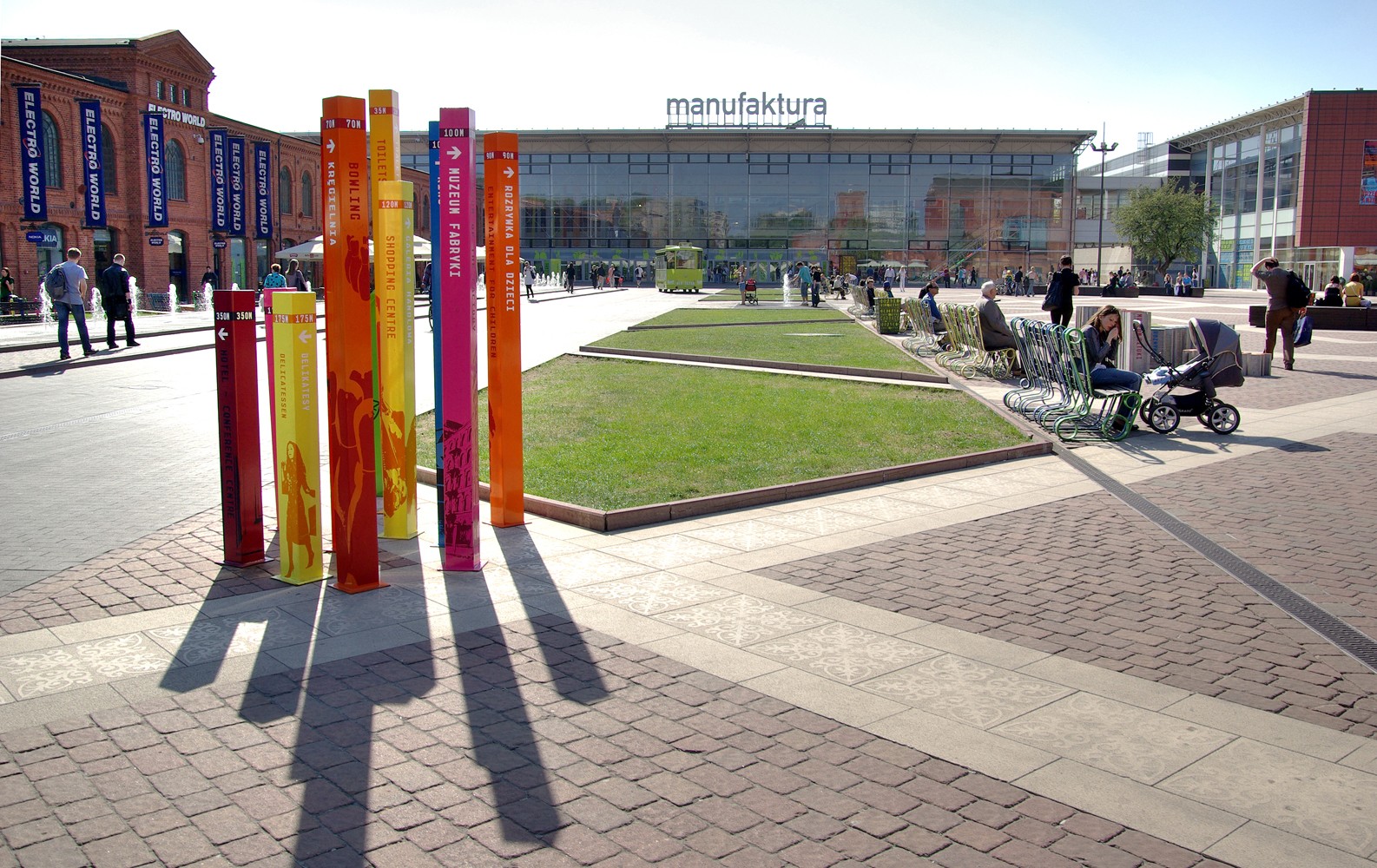
2010 – Manufaktura Łódzka – a magnificent showcase for Łódź, a place with a rich history that has entered the twenty-first century in great style. Cherished by the people of Łódź, eagerly visited by Poles from other parts of the country, and proudly shown off to guests from abroad, it is the fruit of an ambitious vision. The chief aims of the project were to revitalise a space steeped in nineteenth-century industrial heritage and to create a new city centre built on the legacy of Izrael Poznański’s empire. In keeping with this vision, the renovated former factory buildings have been given new roles – cultural, recreational, commercial and service-related. The Manufaktura project set out to wed past and future, fusing history with modernity.
2011 – The Przystanek Woodstock Festival (now Pol’And’Rock Festival) – a major summer festival formerly held in Kostrzyn nad Odrą in the Lubuskie Province, and now staged in Czaplinek-Broczyno in the West Pomeranian Province. It is a gesture of thanks to the volunteers and donors of the Great Orchestra of Christmas Charity, who raise money for the Foundation and lend it their support during the January finale. Each year, dozens of bands take to its stages, among them world-class stars. One key feature is the Academy of Fine Arts (ASP) and the activities held nearby – workshops in art, music, craft and much else besides. Discussions with well-known politicians and prominent figures from the worlds of culture, film and sport draw hundreds of young people, who are free to ask questions and listen to the fascinating stories of those they had previously known mainly from the screen or the radio. A wonderfully and professionally organised event.
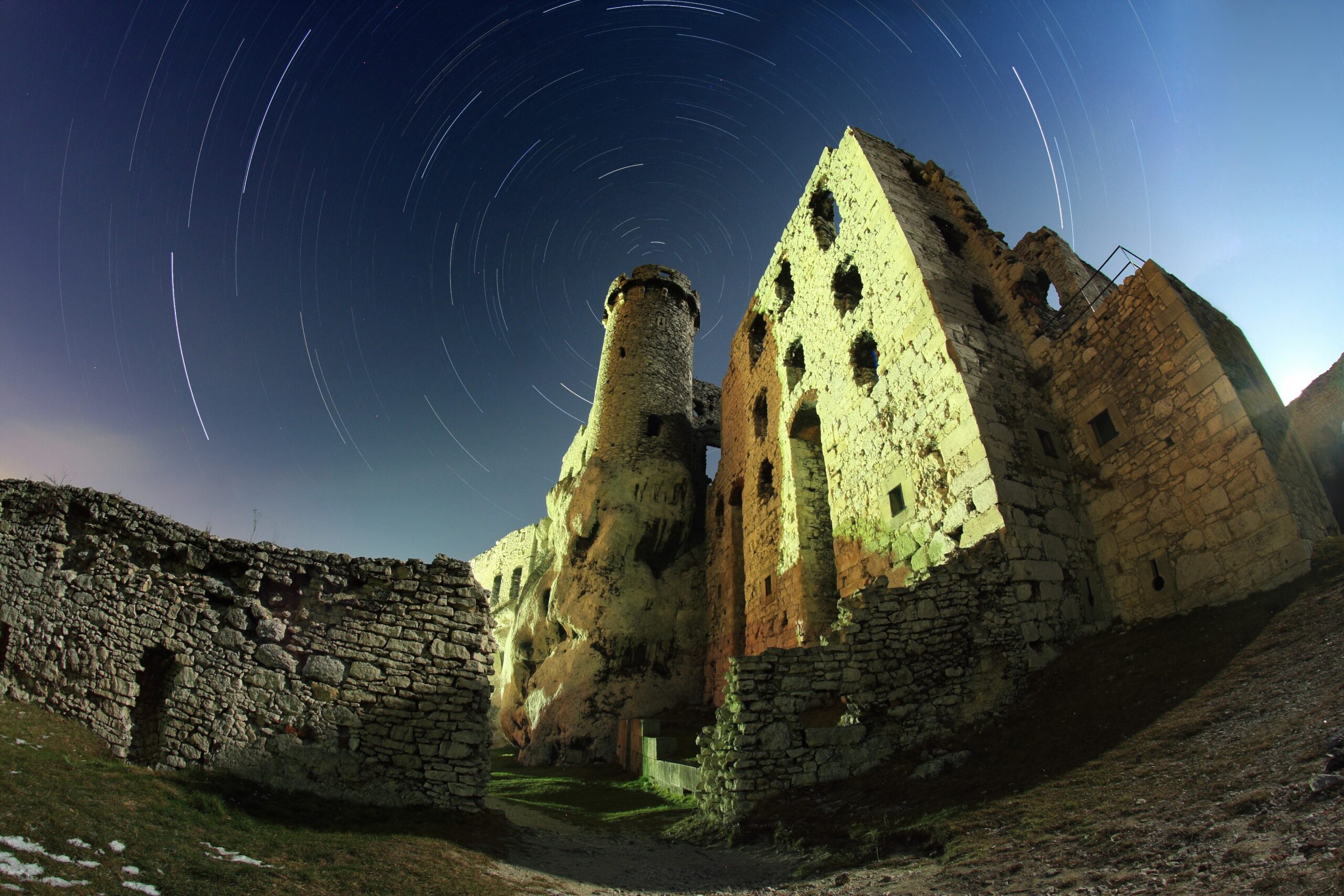
2012 – The Eagles’ Nests Trail – the 164-kilometre-long red Eagles’ Nests Trail, mapped out and established by Kazimierz Sosnowski, runs through two provinces, Silesia and Lesser Poland, beginning in Kraków and ending in Częstochowa. Its creators set out to design a route running the length of the Kraków-Częstochowa Upland, showcasing its finest assets and attractions while promoting active pursuits such as hiking, cycling, horse riding, climbing and caving. Alongside the castles, the trail offers a wealth of other attractions, from historic religious buildings to natural wonders, making it without doubt one of the most picturesque routes in Poland. Today, running through almost the whole of the Kraków-Częstochowa Upland, it appeals to far more than hikers alone. Thanks to its ever-improving infrastructure and the new attractions added year on year, it is an ideal destination for anyone keen to spend their time actively. Here, visitors can cycle the trail, go climbing, explore caves, take up Nordic walking or ski, all amid a landscape of singular beauty.
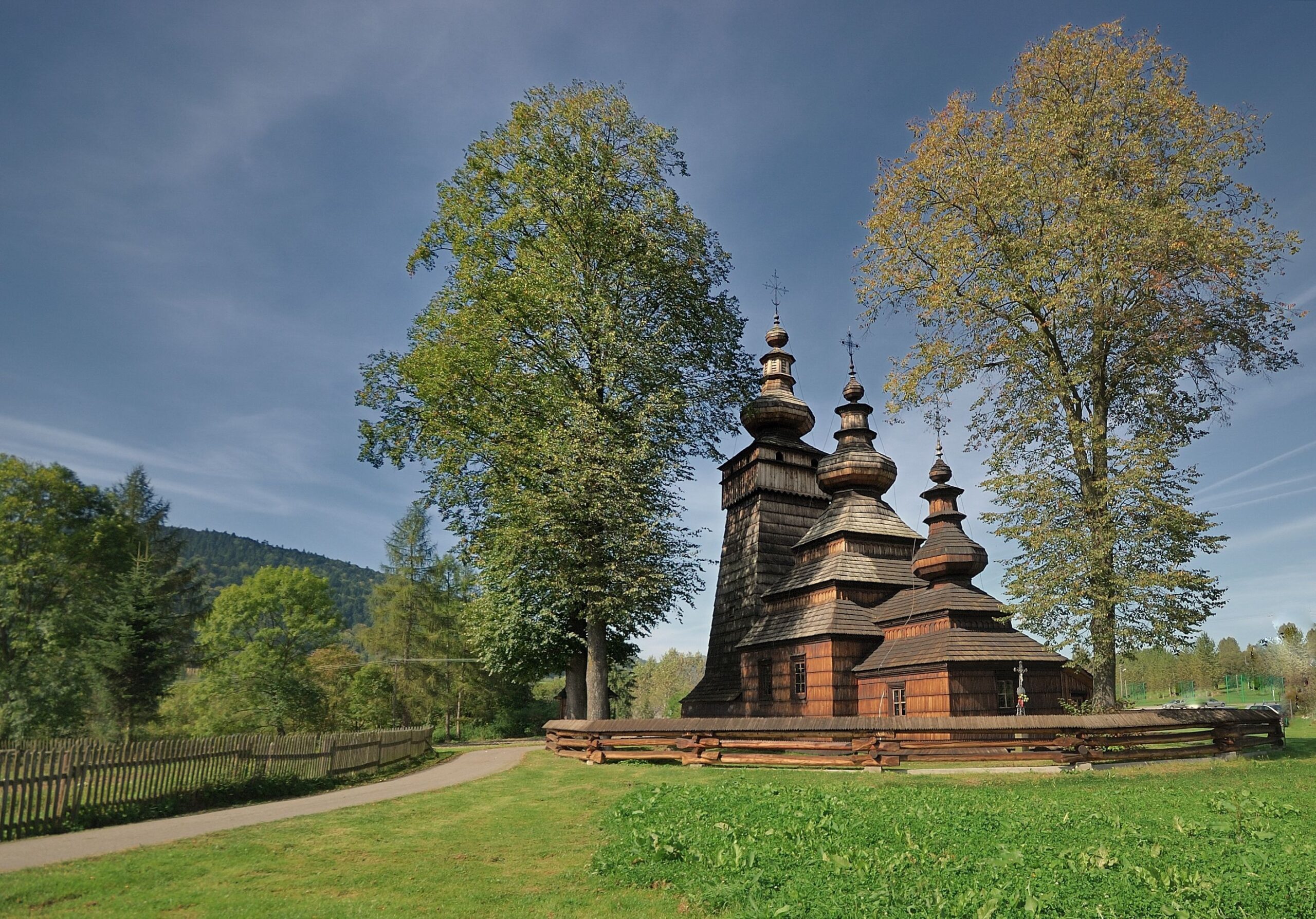
2013 – The Wooden Architecture Trail – a route unique on a global scale, comprising 255 examples of secular and religious wooden architecture. Beautiful little churches, Lemko Orthodox churches, Old Polish manor houses and buildings of every kind are relics of a bygone age that can be explored on a driving tour covering some 1,500 km in all. The Wooden Architecture Trail was established in 2001 on the initiative of the Małopolska Province. In 2003, four of the region’s wooden churches earned special recognition with their inscription on the UNESCO World Heritage List.
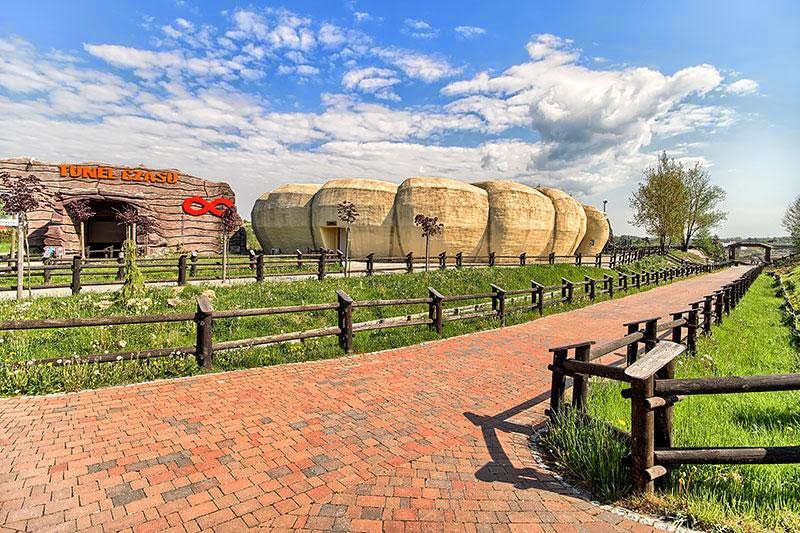
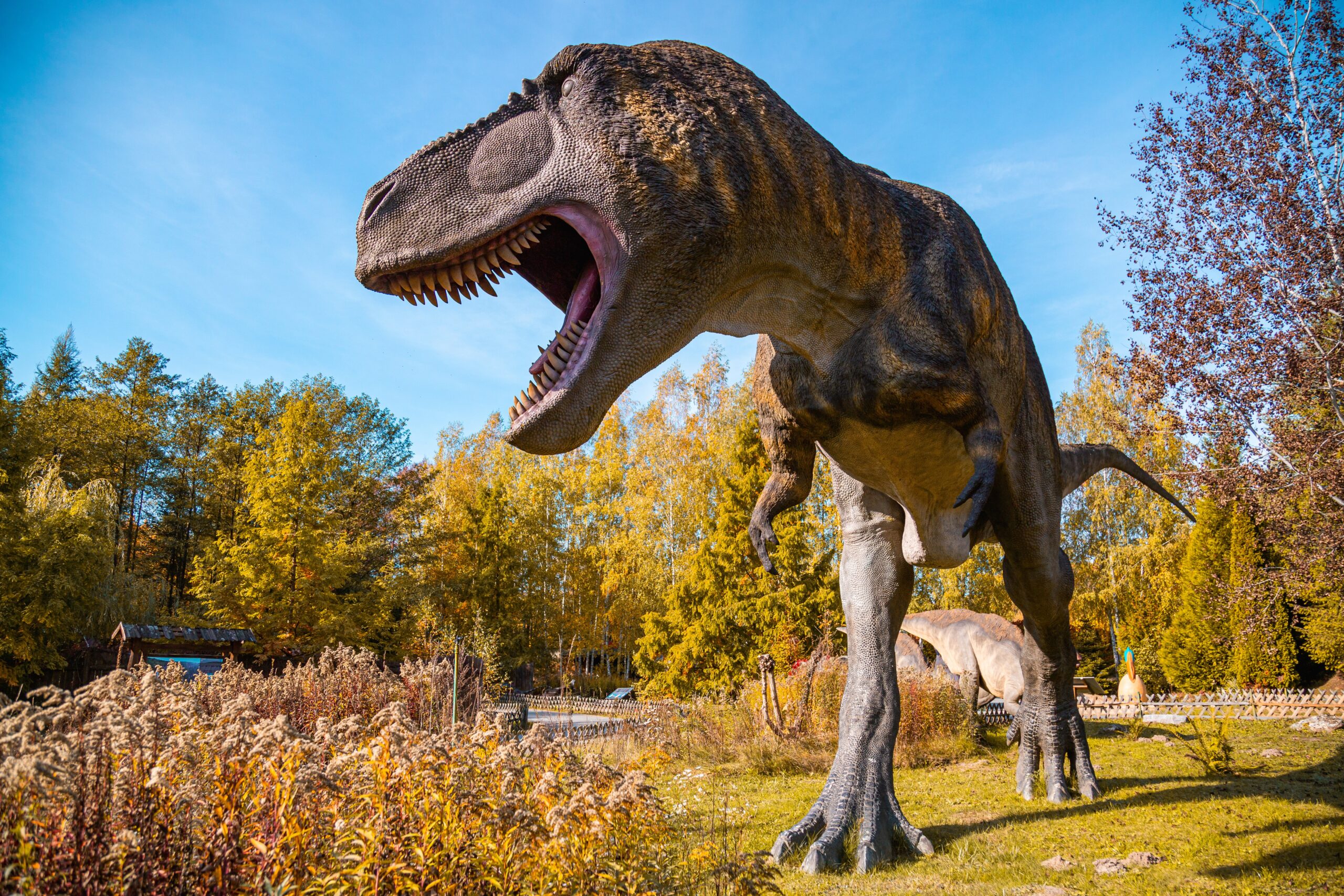
2014 – The Krasiejów Science and Entertainment Park – an open-air prehistoric park comprising JuraPark Krasiejów and the Park of Science and Human Evolution. Around 250 life-size animal models have been reconstructed across 40 hectares. Here, visitors can discover a world from millions of years ago, come face to face with dinosaurs and learn about their own ancestors. The 3D Time Tunnel, the Palaeontology Pavilion with its authentic dinosaur bones, the 5D ‘Cinema of Emotions’ and the Prehistoric 3D Oceanarium, together with a multimedia museum devoted to the origins of humankind, all combine to entertain and to bring knowledge to a wider public.
2015 – The Gold Mine and Medieval Technology Park in Złoty Stok – a purpose-built underground tourist route incorporating a museum exhibition. The Gold Mine and Medieval Technology Park is the only place in Europe to boast a faithful replica of a medieval mining village, complete with equipment that is not merely on display but actually works, recreating its functions of old. This thoroughly absorbing, fairy-tale world, fashioned underground and staffed by cheerful, expert guides, draws hundreds of thousands of tourists every year, with new attractions awaiting them each season.
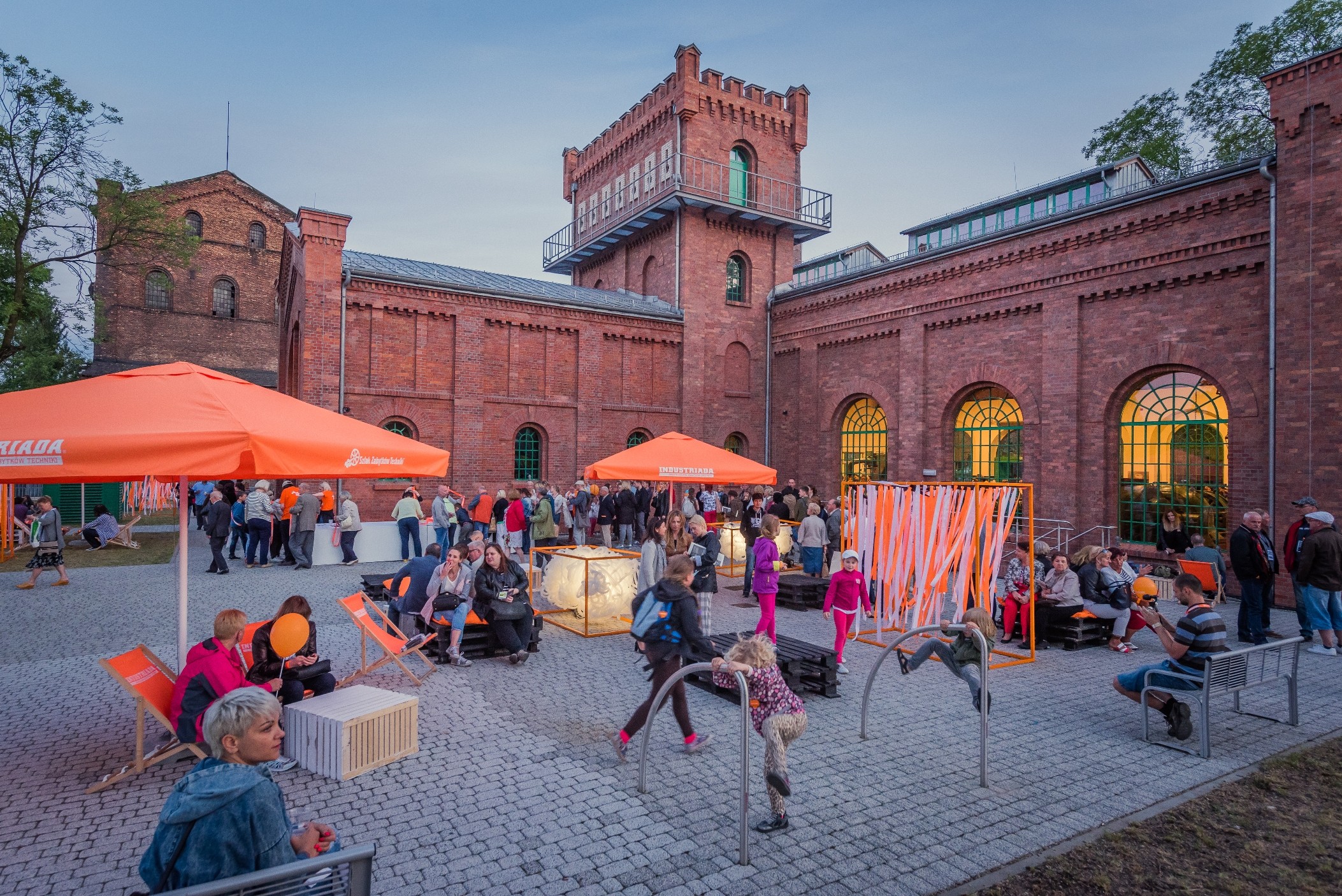
2016 – INDUSTRIADA – The Silesian Voivodeship Industrial Monuments Route Festival – a celebration of the Industrial Monuments Route and the largest industrial heritage festival in this part of Europe. This year marks its seventeenth edition; held annually since 2010, it takes place in mid-June at industrial sites across the Silesian Voivodeship. The festival shines a light on the province’s most compelling industrial locations, prized for their touristic and historical value, each of which lays on a special programme for the day, from guided tours and workshops to concerts. It is estimated that more than 6.5 million people have already enjoyed this remarkable attraction.
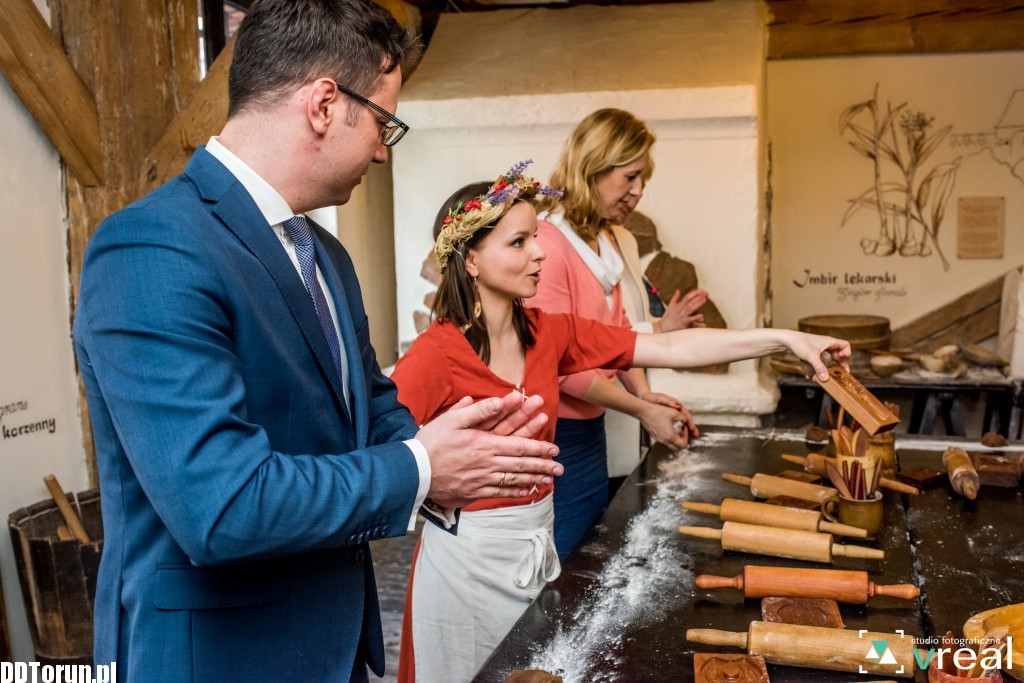
2017 – The Living Museum of Gingerbread – nothing tastes quite as good as gingerbread you have baked yourself, which is why the world’s first Living Museum of Gingerbread in Toruń is so well worth a visit. This unique, intriguing and magical place is steeped in the history of the city and fragrant with gingerbread, allowing visitors to experience Toruń’s living and celebrated tradition in a way that delights the senses. As befits a modern attraction, the Museum is interactive – a kind of theatre in which guests take part in a show led by experienced guides. For its duration, visitors become gingerbread apprentices to the Master and the Spice Witch, with the chance to make the dough themselves. Each guest can prepare the mixture, shape it with wooden moulds as they please and bake Toruń specialities to carry home as a treasured souvenir. The atmosphere of a sixteenth-century gingerbread bakery is conjured not only by the décor, the hosts’ costumes and the wafting aromas, but also by the chance to hear legends of gingerbread and of Toruń recounted in language styled after Old Polish.
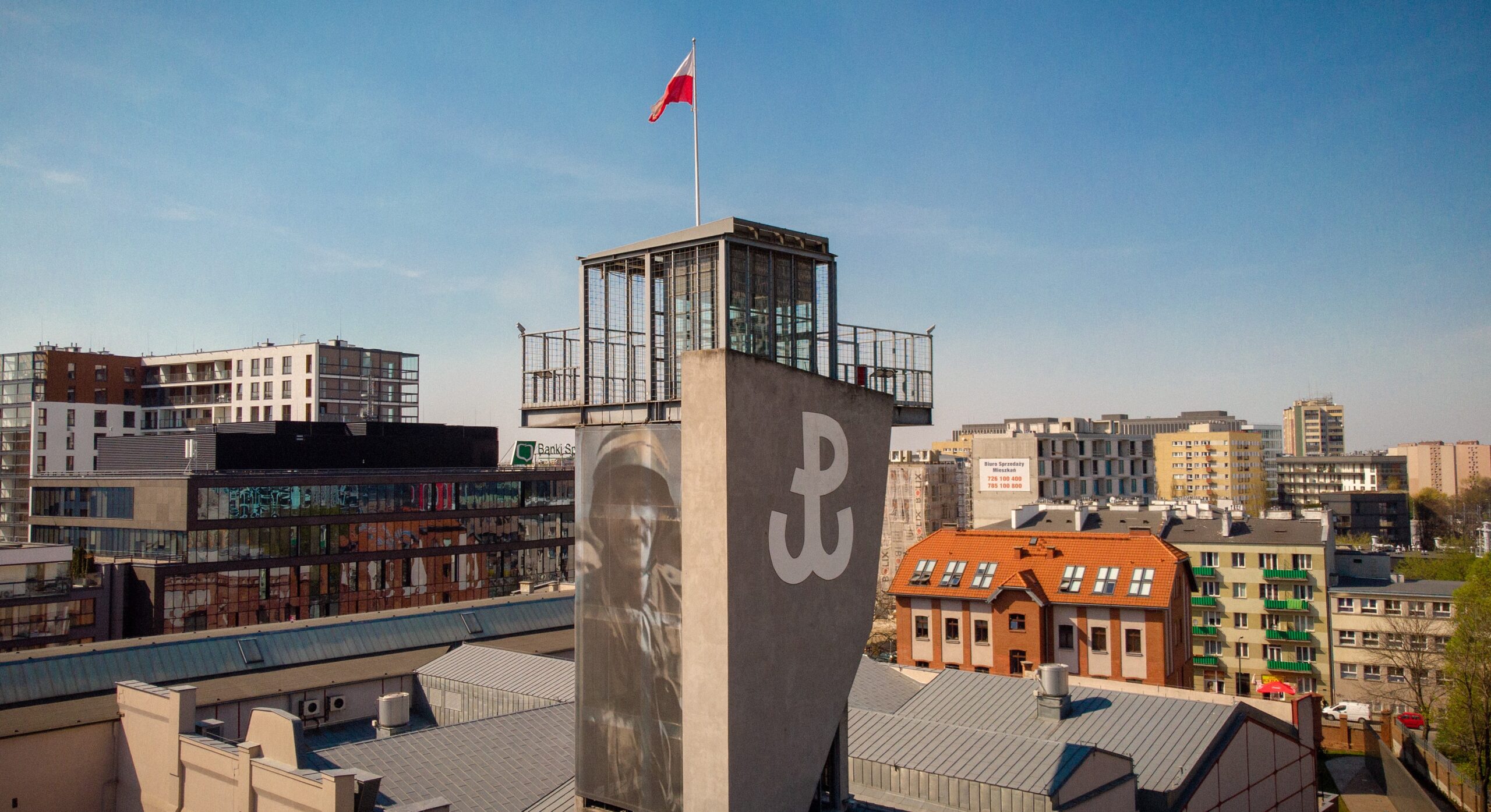
2018 – The Warsaw Uprising Museum – how can we speak of the past in a way that resonates with audiences today? The Warsaw Uprising Museum bridges past and present, uniting a place of remembrance with an innovative exhibition. Here, multimedia has been used to recreate the atmosphere of the capital during the Uprising, helping today’s visitors to grasp the history of those events. It draws people closer to the exhibits, making the artefacts of history easier to engage with. The Museum stands as a tribute to all those who fought and died for a free Poland in 1944.
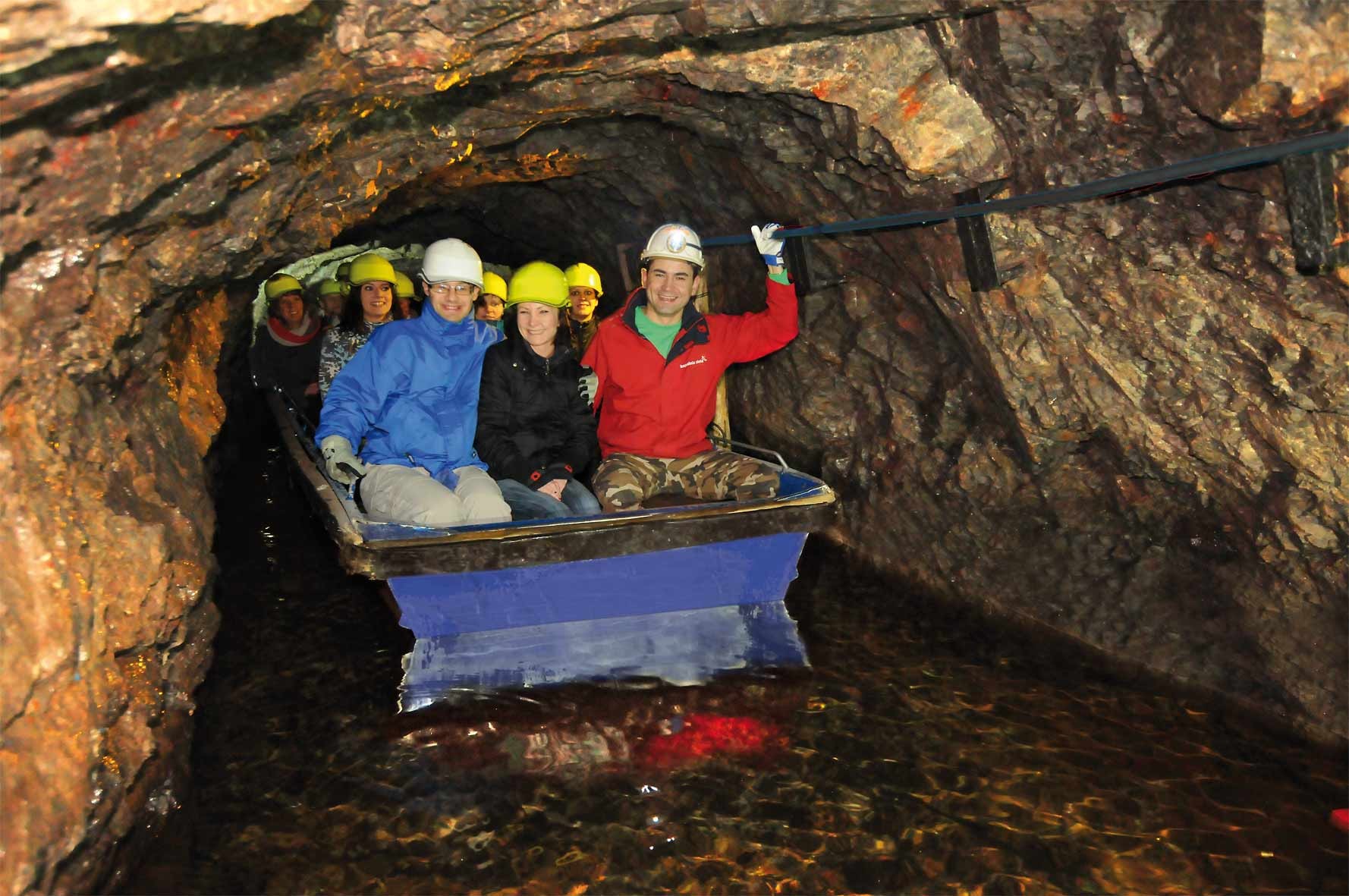
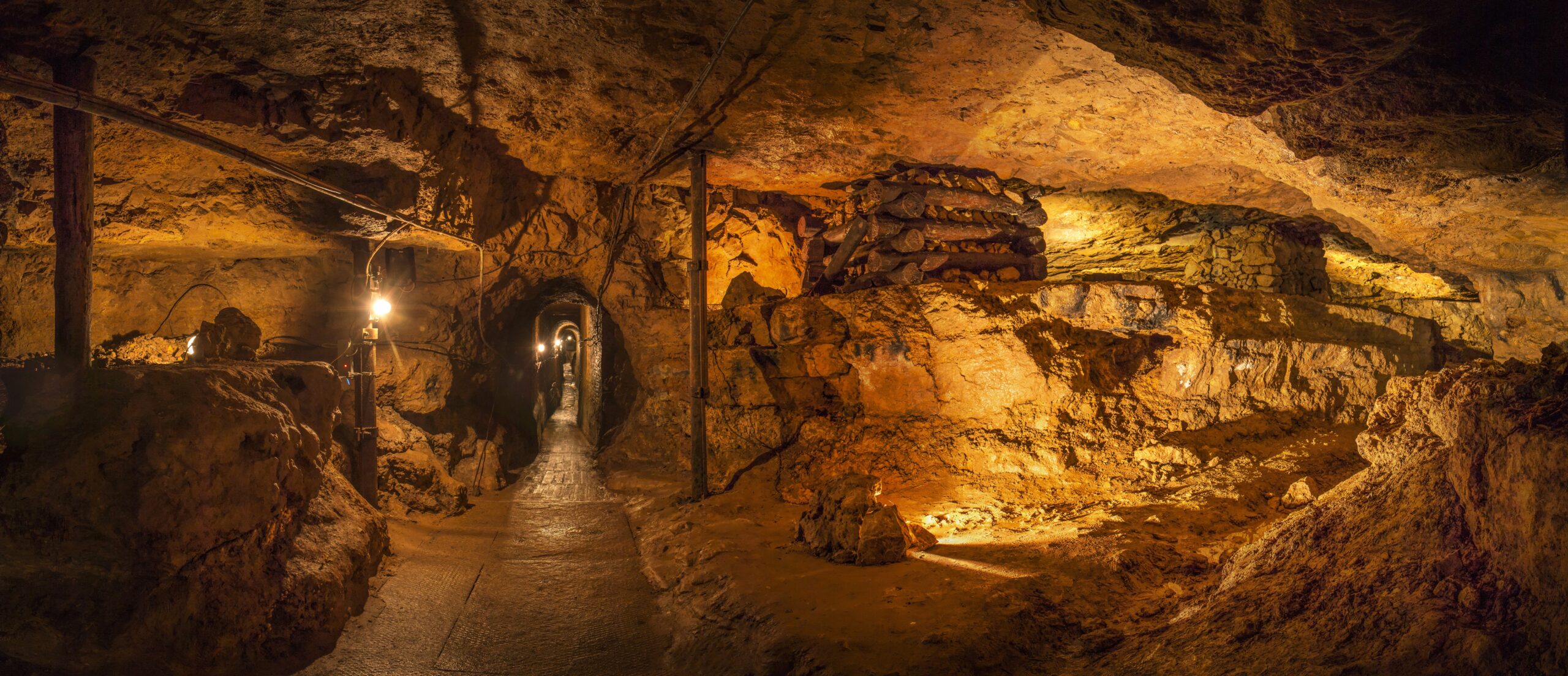
2019 – The Historic Silver Mine – the only place of its kind in the world, a former ore mine where the first steam engine in Upper Silesia was set to work. The underground route threads through a labyrinth of tunnels that miners hewed out over the centuries as they extracted the riches hidden deep below ground. Today, visitors can not only soak up the atmosphere of gruelling mining work but also take a boat trip along the underground river. A UNESCO World Heritage Site – a living testament to Silesia’s industrial might.
2021 – The Hydropolis Environmental Education Centre – a one-of-a-kind centre devoted to water, combining real educational value with a thoroughly modern exhibition. It is also a striking example of how a post-industrial site can be brought back to life. The water-themed displays are housed in a nineteenth-century underground clean-water reservoir and take in seven permanent themed zones, regularly changing temporary exhibitions, a dedicated children’s area and a space for relaxation. Beyond the exhibition itself, Hydropolis’s regular programme features educational workshops and design activities. Events held in the spirit of ‘less waste’ have become a fixture of the calendar, their chief aim being to encourage eco-friendly habits and to raise awareness of the problems caused by climate change.
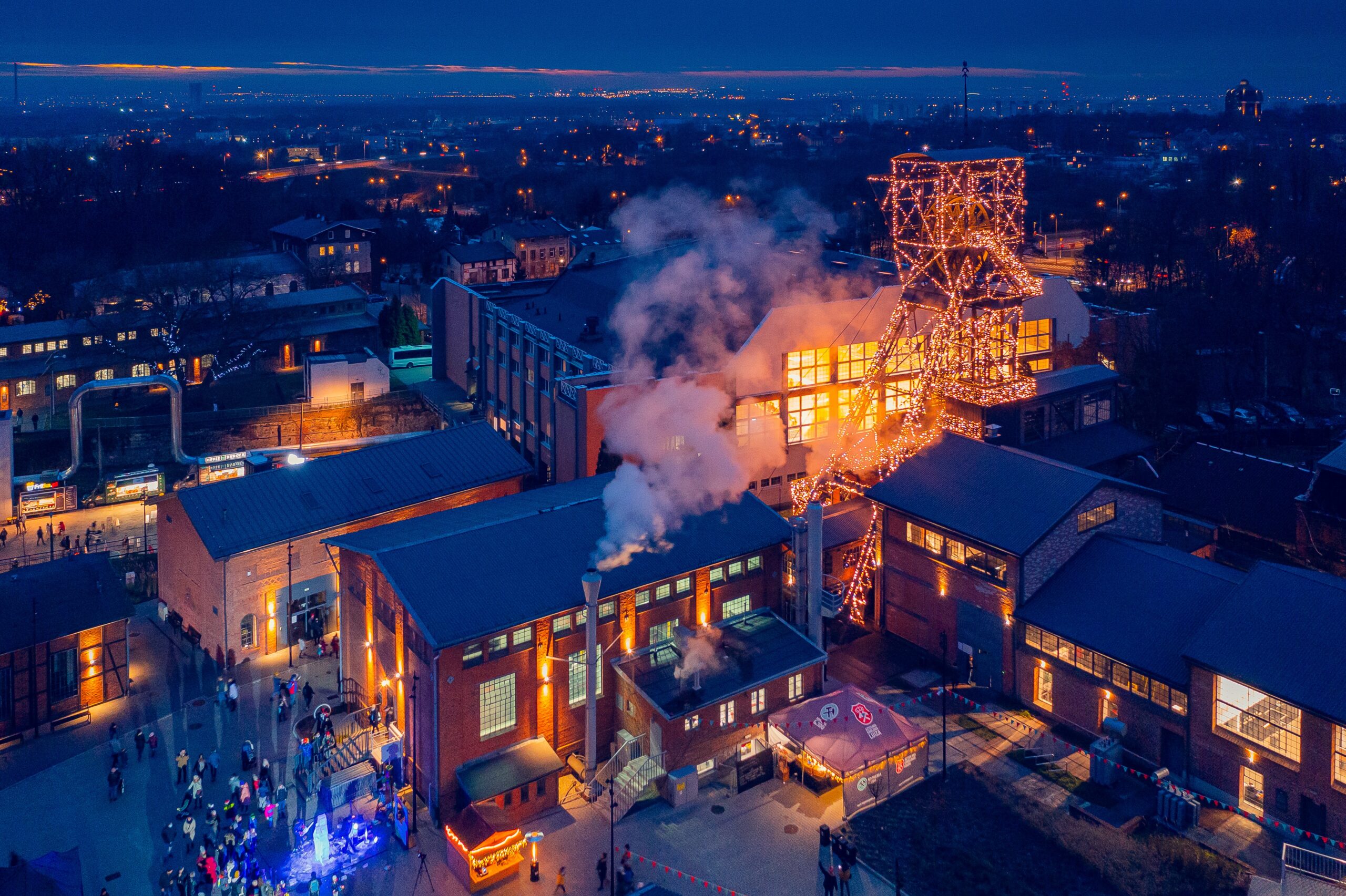
2022 – The Guido Mine and Queen Louise Adit in Zabrze – Zabrze’s post-industrial tourist complex, known as the Black Pearl of Europe, is a remarkable ensemble of tourist, cultural and event attractions built around the surface buildings and underground workings of eighteenth- and nineteenth-century hard-coal mines. The Zabrze mining complex is the largest in Poland and, on a European scale, stands out for its network of more than 10 km of underground tourist routes, which run through genuine mine workings beneath the centre of Zabrze, a city of 170,000 people. These can be explored by way of several routes, each differing in theme, length and attractions.
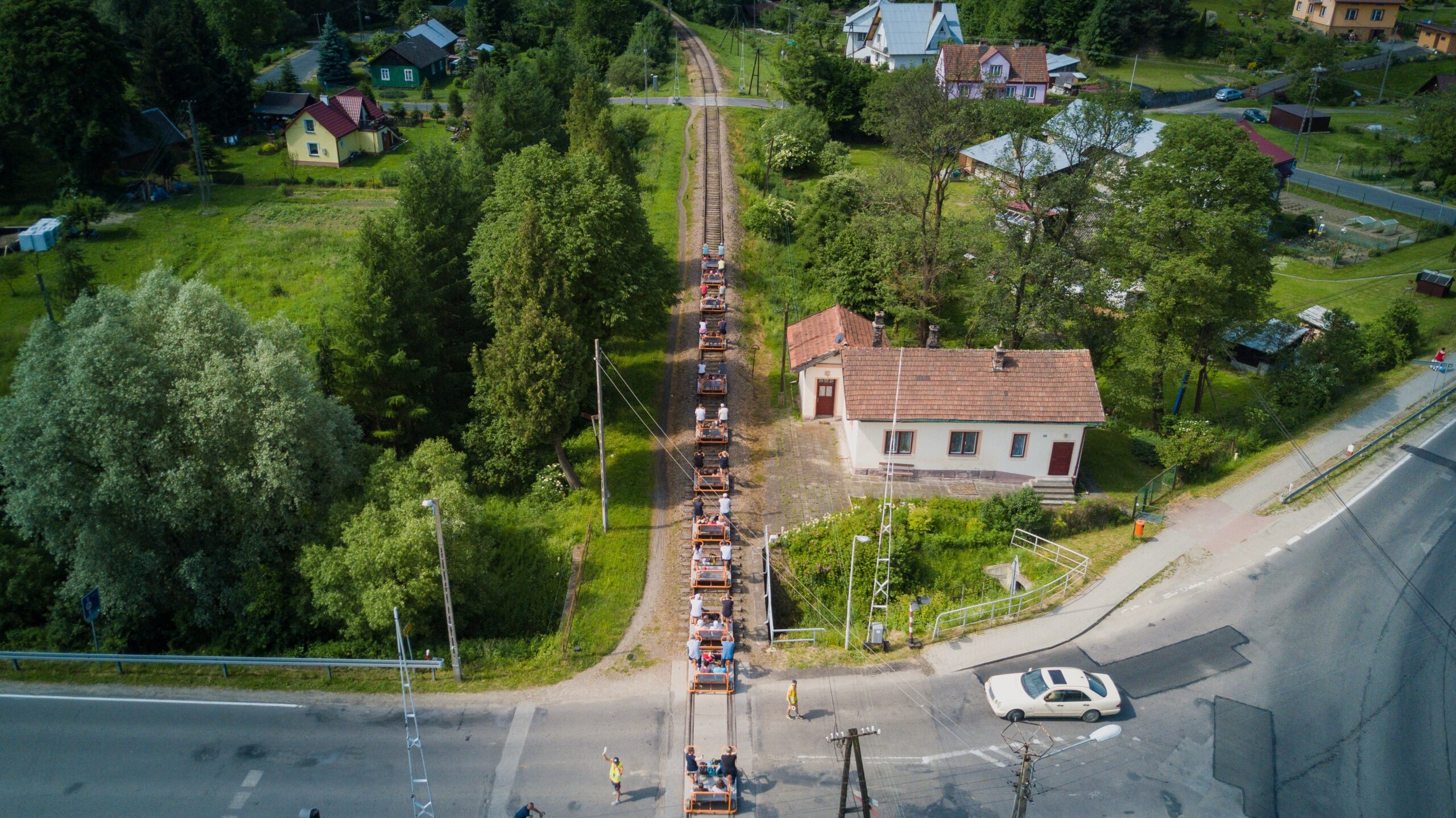
2023 – Bieszczadzkie Drezyny Rowerowe (Bieszczady Rail Bikes) – the largest rail bike rental company in Europe. This venture was the first in Poland to offer a product so closely bound up with tourism, pairing a ride on a rail vehicle akin to a railway handcar with the propulsion of a bicycle. Bieszczadzkie Drezyny Rowerowe began operating in May 2015, and railway line no. 108 has since been running along the 47 km stretch from Zagórze to Krościenko. The main station is at Uherce Mineralne, from which trips set out for Jankowce, Olszanica and Stefkowa (nine departures a day), while a summer station at Ustrzyki Dolne sends rail bikes off to Krościenko, Brzegi Dolne and Ustjanowa. Built in 1872, railway line no. 108 runs through the picturesque Bieszczady Mountains, a region of great natural and cultural appeal. Set in the Eastern Carpathians, this area is today a remarkable enclave of Carpathian nature, which can be admired at close quarters from a rail bike without any disturbance to it. These outings blend active recreation, regional discovery and family leisure in an eco-friendly way, for rail bikes – like bicycles – are powered by their riders’ own muscles and leave no carbon footprint. A ride aboard one is an unforgettable experience, uniting a love of cycling with rail travel in a way all its own. Travelling by rail bike lets visitors experience the Bieszczady Mountains from an entirely fresh perspective, hitherto out of reach, far from the bustle of the roads.
2024 – The Bałtów Tourist Complex – for years it has brought together education, entertainment and active recreation to become one of Poland’s leading destinations. Offering a singular blend of fun and learning, it draws families and school groups alike, welcoming thousands of visitors every year. Its wide range of themed attractions provides unforgettable experiences and rewarding content for all ages and interests. Investment in new attractions, the expansion of accommodation and cooperation with local agritourism farms all encourage longer stays and help develop the region. The complex takes in JuraPark, the Jurassic Museum, Adventure Planet (a unique VR facility, new in 2024), the Prehistoric Oceanarium (under construction, new in 2025), Bałtów Zoo, the Slavic Hill (new in 2024), Poland in Miniature, the Play Park, the 5D Emotion Cinema, Sabatówka, the Haunted Mill and the Beekeeping Open-Air Museum. The ‘Bałtów Actively’ project offers nearly 1,000 km of cycle trails with hire facilities, along with hiking routes, kayaking and rock climbing. The Bałtowski Zapiecek restaurant and the Bałtów Brewery draw lovers of regional cuisine and craft beer. Each December, the complex is transformed into the region’s winter capital, with the ‘Szwajcaria Bałtów’ ski resort, a Santa Claus Village and an indoor ice rink. The authenticity of the setting – Bałtów grew up on a spot where dinosaurs roamed 160 million years ago – together with its many workshops, themed events and concerts, continues to broaden its audience.
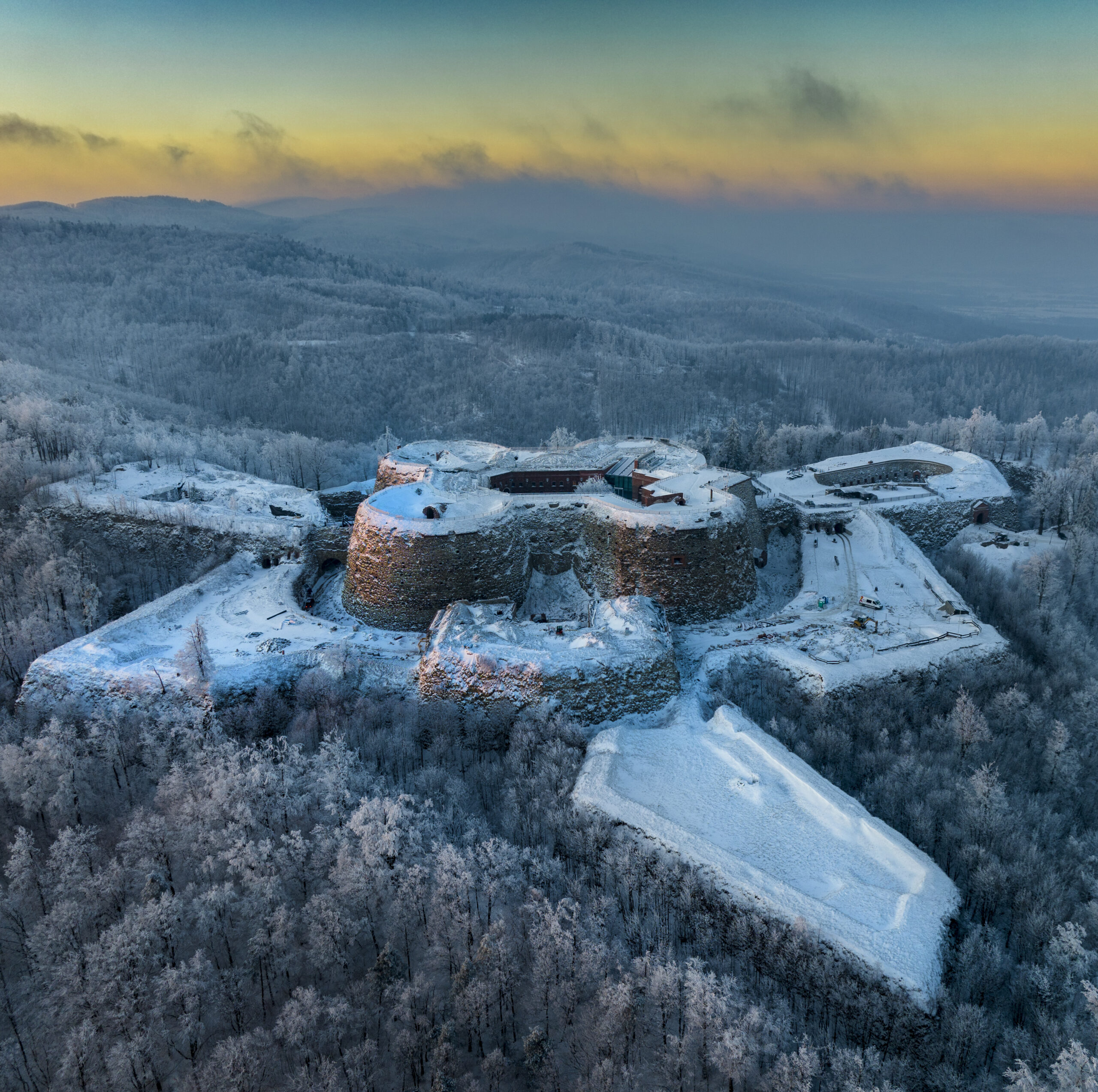
2025 – Srebrna Góra Fortress – a remarkable eighteenth-century monument standing at more than 650 metres above sea level. It is the largest mountain fortress in Europe and the highest-lying Historic Monument in Poland. Thanks to ongoing restoration, this vast complex is coming back to life, offering a wealth of activities all year round. Visitors can tour the Fortress, admire its museum exhibitions and stay the night in one of its 63 comfortable rooms. One distinctive touch is the guides in period uniform, who draw guests into a lively account of the site’s history. With a restaurant and workshop rooms besides, it makes an ideal destination for visitors of every age.
The recipients of the POT Gold Certificate are a fine illustration of the richness and diversity of Poland’s tourism offering. Each one captivates with its own distinctive character, history and attractions, drawing visitors from Poland and abroad alike. These exceptional places are well worth discovering – and discovering, too, that Poland offers boundless opportunities for active recreation, for exploring its cultural heritage and for communing with nature.